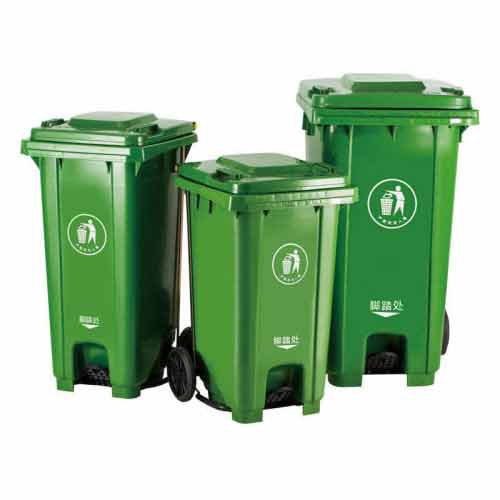
Product details description
Hands-free trash can operation, primarily enabled by pedal mechanisms, has
evolved from a convenience feature into a hygiene necessity in homes, healthcare
facilities, kitchens, and public restrooms. By eliminating direct hand contact
with potentially contaminated surfaces, pedal-operated bins significantly reduce
the transmission of germs and pathogens, aligning with global health guidelines
for infection control. Modern designs integrate ergonomic levers, quiet hinges,
and seamless lids to deliver intuitive, effortless disposal while maintaining
aesthetic appeal and odor containment.
The core of pedal mechanism functionality lies in its mechanical linkage
system, typically comprising a foot pedal connected via a rod or cable to a
lid-lifting lever inside the bin. When pressed, the pedal triggers a cam or
spring-loaded assembly that lifts the lid smoothly and holds it open momentarily
before closing automatically. High-quality units utilize corrosion-resistant
materials such as stainless steel or powder-coated aluminum for moving parts,
ensuring longevity even in humid or high-use environments. Adjustable tension
springs allow users to customize lid opening force, accommodating children,
elderly individuals, or those with limited mobility.
In commercial and medical settings, hands-free operation takes on added
importance. Hospitals and clinics deploy touchless bins in patient rooms,
operating theaters, and laboratories to comply with strict sanitation protocols.
These bins often feature antimicrobial coatings on internal surfaces, sealed
compartments for hazardous waste segregation, and compatibility with liner
dispensers for rapid bag replacement. Some advanced models incorporate motion
sensors or voice activation as secondary interfaces, offering redundancy and
accessibility for users with disabilities or in sterile environments where even
foot contact may be undesirable.
Maintenance and user education are key to maximizing the benefits of
pedal-operated trash cans. Regular cleaning of pedals, hinges, and internal
mechanisms prevents buildup of grime or debris that could impede smooth
operation. Lubrication of pivot points with food-grade silicone spray preserves
mechanical efficiency without introducing toxic residues. Users should be
trained to apply gentle, consistent pressure rather than stomping or slamming
the pedal, which can accelerate wear or cause premature failure. When properly
maintained and operated, hands-free trash cans not only promote hygiene but also
enhance user experience through seamless integration into daily routines, making
cleanliness effortless and accessible to all.
Previous article:
Residential vs Commercial Trash Cans: Application-Specific Design Features
Next article:
Outdoor Trash Can Weather Resistance: UV Protection and Waterproofing