Sanitary Waste Management with the Utility of Garbage Bin
Release time:2026-03-12 Click:5
The garbage bin represents an essential component of modern waste management systems, providing contained storage for residential, commercial, and industrial waste that protects public health while enabling efficient collection and disposal. From the simple metal cans of earlier generations to today's sophisticated wheeled containers and specialized bins for recyclable materials, garbage bin design has evolved continuously to meet the growing demands of urban sanitation while accommodating diverse waste types and collection methods. This fundamental sanitation equipment has become ubiquitous in residential neighborhoods, commercial districts, and industrial facilities where proper waste containment is essential for public health, environmental compliance, and community appearance. The evolution of garbage bin design reflects broader societal priorities regarding hygiene, sustainability, and efficient resource utilization that increasingly influence waste management practices worldwide.
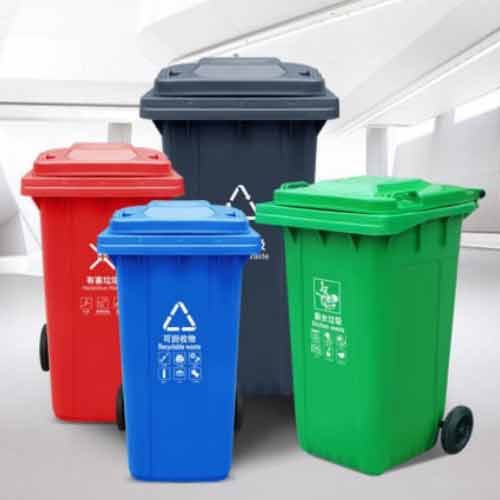
Construction of garbage bin encompasses diverse materials and designs selected to meet specific application requirements, from simple residential containers to specialized industrial bins for hazardous or bulky materials. Traditional garbage bin construction utilized metal cans that provided durability but were heavy and prone to corrosion, gradually giving way to plastic containers that offer corrosion resistance, lighter weight, and lower manufacturing costs. Modern garbage bins increasingly utilize recycled plastics and other sustainable materials that reduce environmental impact while maintaining the durability and hygiene characteristics that waste containers require. Specialized garbage bins for recyclables, organic waste, and hazardous materials incorporate color coding, labeling, and design features that facilitate proper sorting and disposal. The wheels, lids, and other components of modern garbage bins are designed for durability and ease of use, enabling residents and collection personnel to handle bins efficiently while maintaining the enclosed storage that prevents pest access and odor release.
The benefits of proper garbage bin management extend far beyond simple waste containment to encompass public health protection, environmental compliance, and community quality of life that affect all members of the communities these bins serve. The contained storage provided by garbage bins prevents contact between waste and disease vectors including insects, rodents, and other pests that can transmit pathogens to humans, protecting public health in dense urban environments where such transmission could spread rapidly. Proper garbage bin usage and regular collection prevent the accumulated waste that creates unpleasant odors, unsightly appearance, and potential environmental contamination that degrades community quality of life. The segregation of recyclables enabled by specialized garbage bins supports circular economy goals that reduce raw material consumption, energy use, and landfill disposal while creating economic value from recovered materials. Additionally, consistent garbage bin usage creates orderly streetscapes and public spaces that enhance community pride and property values.
Installation and placement of garbage bins requires attention to accessibility, collection efficiency, and community standards that ensure bins serve their intended functions without creating neighborhood nuisances. Placement of residential garbage bins should consider access for collection vehicles while maintaining reasonable distance from neighboring properties to prevent odor or aesthetic impacts. Commercial and industrial garbage bin placements must accommodate collection schedules and vehicle access while maintaining appropriate separation from building entrances, outdoor seating areas, and other sensitive locations. Screening requirements for garbage bin placement increasingly reflect community standards that seek to hide bins from public view while maintaining accessibility for collection. The number and size of garbage bins should match waste generation rates, with proper sizing preventing both overflow situations and excessive costs from oversized containers. Community education regarding proper garbage bin usage, including waste sorting requirements and collection schedules, supports effective waste management systems that serve community needs.
For municipalities, businesses, and residential communities seeking effective waste management solutions, appropriate garbage bin selection and management represent essential investments in public health and community quality of life. The investment in quality garbage bins from reputable manufacturers ensures durable, hygienic containers that maintain appearance and function through years of daily use. The proper sizing and configuration of garbage bin systems enables efficient collection operations that minimize costs while maintaining the regular service that prevents waste accumulation. Consider garbage bin management as a fundamental component of community infrastructure, and ensure that waste containment systems match the needs and standards of the communities you serve. The confidence that comes from effective garbage bin management enables communities to maintain public health, environmental compliance, and community appearance that support quality of life for all residents.
Previous article:Efficient Waste Management with a Trash Can Plastic
Next article:Promoting Clean Public Spaces with Secure Waste Containment: Trash Can with Lid Solutions
Hot products
Mobile: +86 15097722953
Email:metalproducts2021@163.com
Email:1755383270@qq.com