Selecting and Configuring Rubbish Bins for Effective Disposal
Release time:2026-03-08 Click:11
Rubbish bins, also known as waste bins, trash cans, or refuse containers, represent essential infrastructure for managing waste in residential, commercial, industrial, and public environments. These containers provide designated locations for waste deposition that maintain sanitation, control odors, prevent pest attraction, and enable efficient collection by waste management services. The evolution of rubbish bin design has produced specialized containers for different waste streams including general refuse, recyclables, organic waste, and hazardous materials, supporting the diversion programs that increasingly characterize modern waste management strategies. The selection of appropriate rubbish bin systems for specific applications directly impacts operational efficiency, environmental compliance, and the cleanliness of the spaces they serve.
Materials and construction methods for rubbish bins address diverse requirements related to durability, hygiene, aesthetics, and waste type compatibility that characterize different applications. Plastic bins, typically manufactured from polyethylene or polypropylene, offer lightweight construction, corrosion resistance, and cost-effectiveness that make them suitable for most residential and light-commercial applications. Stainless steel bins provide enhanced durability and aesthetic appeal for premium applications, with the material's resistance to corrosion and damage supporting extended service lives in demanding environments. Concrete or masonry bins provide permanent, heavy-duty solutions for high-traffic public areas where vandalism resistance and substantial weight prevent unauthorized movement. Lined bins incorporate disposable or reusable liners that simplify cleaning and enable sanitary handling of wet or messy waste materials.
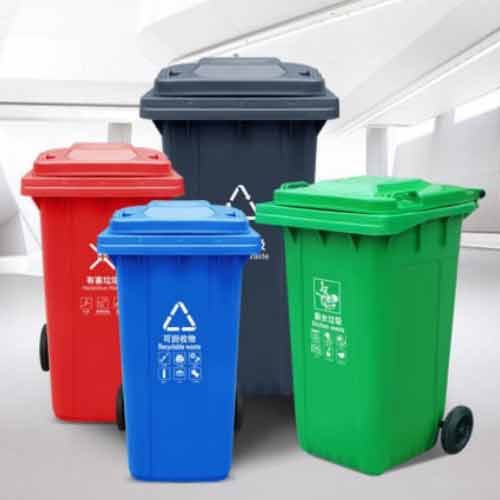
Design features and configurations for rubbish bins optimize functionality for specific applications and user requirements. Lid designs range from simple swing lids to sophisticated push-door, pedal-operated, or sensor-activated mechanisms that minimize contact and improve hygiene in applications where germ transmission is a concern. Waste stream identification through color coding, labeling, or signage supports recycling programs and waste sorting requirements that increasingly characterize modern waste management. Wheeled bins enable efficient repositioning for cleaning or collection, with caster and wheel selections addressing floor surface requirements and load capacities. Size selections should consider waste generation rates, collection frequency, and space constraints that influence appropriate bin capacities for specific locations. Indoor bins may incorporate fire-resistant construction where cigarette disposal or other fire hazards exist, while outdoor bins require weather resistance that maintains functionality through rain, snow, and temperature extremes.
Placement, maintenance, and operational considerations for rubbish bins influence their effectiveness and lifecycle value in specific environments. Strategic placement balances accessibility for users with visual impact and space utilization, with attention to traffic patterns, sight lines, and integration with surrounding architecture and landscape design. Collection scheduling and capacity planning should ensure adequate bin capacity between collection events, preventing overflow that creates sanitation problems and untidy appearances. Cleaning protocols should address both interior and exterior surfaces, with frequency appropriate to waste types and usage rates that influence odor development and pest attraction. Inspection programs should identify damage, wear, or malfunction that might compromise bin functionality or hygiene performance. Documentation of bin inventories, placement locations, service schedules, and maintenance activities supports facility management programs that maintain effective waste management while controlling operational costs. When properly selected, placed, and maintained, rubbish bin systems provide essential infrastructure that supports sanitation, environmental compliance, and the efficient operation of residential, commercial, and public facilities.
Previous article:Designing with Trash Can Cabinet Enclosures
Next article:Plastic Trash Can for Parks & Street Waste Collection
Hot products
Mobile: +86 15097722953
Email:metalproducts2021@163.com
Email:1755383270@qq.com