Product details description
Trash cans are a ubiquitous necessity in both homes and businesses, but the
design requirements differ vastly between residential and commercial settings.
While both serve the fundamental purpose of waste collection, they are subject
to different volumes of trash, usage patterns, and aesthetic demands.
Understanding the application-specific design features of residential versus
commercial trash cans helps consumers and facility managers choose the right
receptacle for their specific needs, ensuring hygiene, efficiency, and
durability.
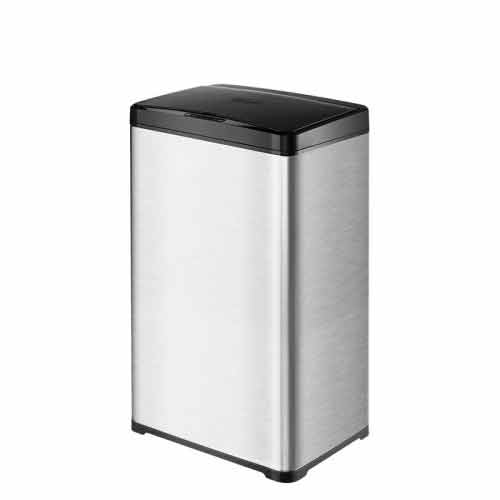
Residential trash cans are primarily designed for convenience, aesthetics,
and household waste management. They typically range in size from small kitchen
bins to 30-gallon wheelie bins used for curbside collection. Design features for
home use often focus on odor control, such as tight-sealing lids and filters,
and ease of movement, like wheels and ergonomic handles. Aesthetics also play a
significant role in residential design; homeowners often prefer bins that blend
with outdoor décor or furniture. Materials are chosen for durability against
weather but are lightweight enough for a single person to maneuver on collection
day.
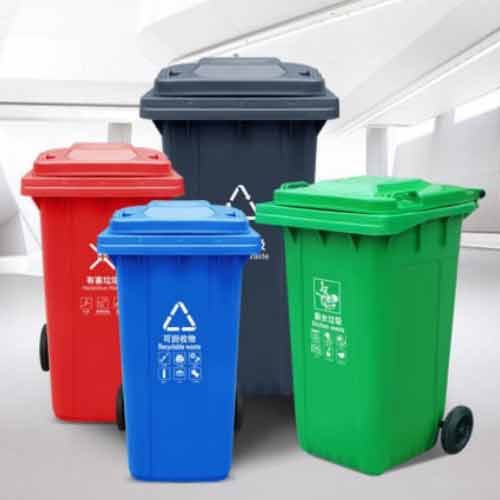
In contrast, commercial trash cans are built for high volume, heavy-duty
usage, and rigorous sanitation standards. These receptacles are often much
larger, such as the massive dumpsters found behind restaurants or apartment
complexes. Design features include reinforced bases to withstand the weight of
heavy debris and industrial-grade plastic or steel construction to resist
cracking, denting, or corrosion caused by harsh chemicals. Commercial bins also
prioritize ease of emptying for waste collection vehicles, often featuring
specific bar designs compatible with automated lift arms found on garbage
trucks.
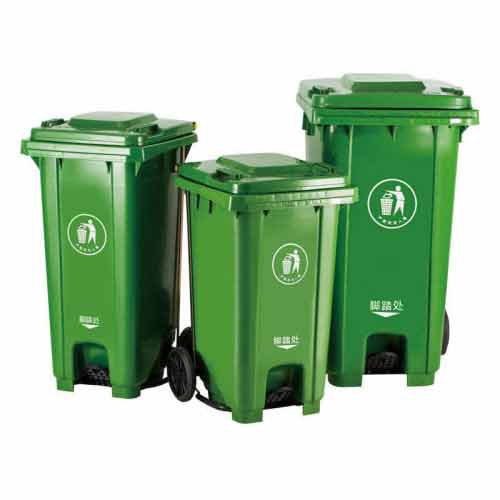
Another key difference lies in safety and accessibility features.
Commercial trash cans in public spaces often come with step-on pedals to promote
touch-free hygiene, or they are designed with animal-proof lids to prevent
raccoons and pests from rummaging. ADA (Americans with Disabilities Act)
compliance is also a crucial design consideration in commercial settings,
ensuring that receptacles are accessible to individuals with disabilities. In
residential settings, safety features are more focused on child-proof locks or
tip-resistant bases to prevent accidents in the home environment.
Finally, fire safety is a significant factor in commercial design,
particularly in industrial environments where flammable materials might be
discarded. Commercial trash cans are often rated for fire resistance or are
equipped with self-closing lids to contain fires. Residential cans generally do
not require such high-level fire protection, focusing more on general waste
containment. By recognizing these distinctions, property owners and businesses
can invest in the appropriate waste management solutions that effectively
address their unique operational challenges and hygiene requirements.
Previous article:
Kitchen Trash Can Size Guide: Matching Capacity to Household Needs
Next article:
Hands-Free Trash Can Operation: Pedal Mechanisms