Product details description
Public space trash cans serve as essential infrastructure that directly
impacts the cleanliness, health, and usability of parks, streets, plazas, and
other shared urban environments. Without adequate trash receptacles, litter
accumulates rapidly in high-traffic areas, creating unsightly conditions,
attracting pests, and potentially spreading disease through contamination of
surfaces and public spaces. The design, placement, and maintenance of trash cans
significantly influence their effectiveness at capturing waste while minimizing
negative impacts including odor, pest attraction, and visual blight.
Understanding how trash can systems contribute to public space hygiene enables
facility managers, urban planners, and property managers to specify and maintain
receptacles that maximize cleanliness outcomes while meeting user needs and
aesthetic objectives.
Trash can design characteristics directly influence hygiene outcomes
through their effects on waste containment, pest resistance, and cleaning
efficiency. Open-top receptacles allow easy waste disposal but also provide
access for rodents, birds, and insects that spread waste and create nuisance
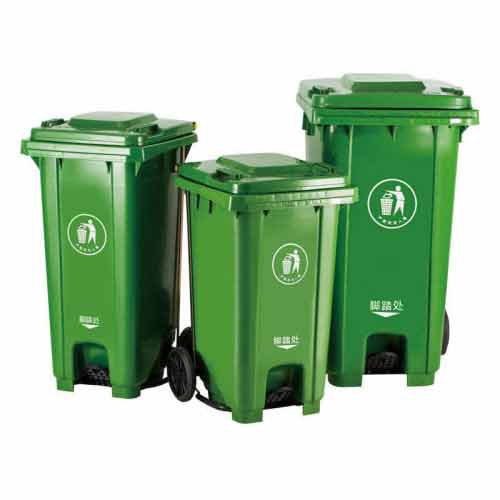
conditions. Closed-top designs with pedal-operated or motion-activated lids
reduce pest access while requiring more deliberate user action to access the
receptacle. Liners—either disposable plastic bags or reusable rigid
containers—facilitate waste removal and receptacle cleaning while preventing
waste from contacting the receptacle interior. Antimicrobial additives
incorporated into receptacle materials reduce bacterial growth and odor
development, particularly important for food service areas and other
high-waste-generation locations. Can size and opening dimensions must balance
capacity needs against the risk of overfilling that creates spill hazards and
attracts pests.
Strategic placement and regular maintenance transform trash can
infrastructure from mere waste collection points into active participants in
public space hygiene management. Trash cans should be positioned at high-traffic
locations including transit stops, park entrances, and gathering areas, with
spacing sufficient to prevent excessive walking distances that encourage
littering. Placement should consider wind patterns and drainage to prevent water
accumulation that accelerates container deterioration and creates maintenance
challenges. Maintenance schedules must ensure collection frequency prevents
overflow, with adjustments for seasonal variations in waste generation and
special event conditions. Cleaning protocols should include interior and
exterior washing, odor treatment, and pest inspection, with damaged or
deteriorated receptacles promptly repaired or replaced. Investment in quality
trash can infrastructure and consistent maintenance pays dividends through
cleaner, more attractive public spaces that support community health and enhance
property values.
Previous article:
The Science Behind Odor-Control Trash Cans
Next article:
Commercial Trash Can Capacity: High-Volume Solutions for Businesses