The Evolution of the Trash Box
Release time:2026-01-25 Click:21
The management of municipal waste is a logistical challenge that relies heavily on the durability of containment vessels. The trash box, also known as a dumpster or waste container, has evolved from simple wooden crates to sophisticated, sanitary engineering solutions. Modern units are designed to withstand rough handling by garbage trucks, extreme weather conditions, and the corrosive nature of decomposing waste. They are the unsung heroes of urban sanitation, keeping streets clean and preventing the spread of disease by containing refuse until it can be properly processed.
Material selection for a trash box is critical for longevity. Heavy-duty plastic (polyethylene) is the most common material for residential and commercial use because it is rust-proof, lightweight, and easy to clean. It does not absorb odors or liquids, making it more hygienic than metal containers. For industrial applications, welded steel is preferred for its ability to handle heavy loads and abusive treatment. These metal boxes are often coated with anti-corrosive paint to prevent rust from acidic leachate. The choice between plastic and steel often depends on the collection method; plastic wheels are quieter and roll better on pavement, while steel wheels are more durable on rough construction sites.
The design of a trash box has incorporated features to improve usability and sanitation. Many modern models include tight-fitting lids that prevent odors from escaping and keep rainwater out, which adds unnecessary weight to the load. Wheels and handles are ergonomically placed to allow a single person to move the container to the curb. Some commercial units feature "dolly" systems that allow the container to be rolled and tilted without the user having to lift the weight. In high-traffic areas like parks or stadiums, large open-top containers are designed with sloped edges to make it easy for pedestrians to deposit waste without aiming precisely.
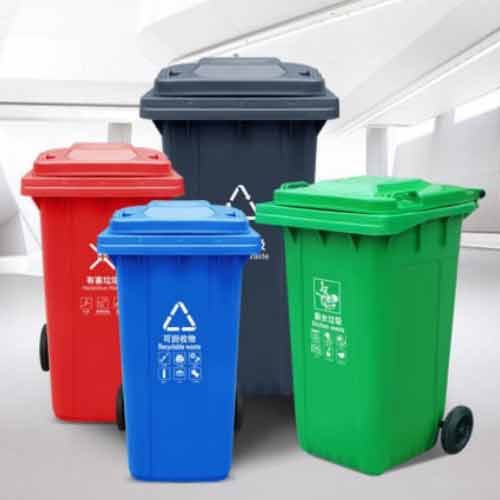
From an environmental perspective, the trash box is a key player in recycling programs. Color-coding systems—blue for paper, green for glass, yellow for plastic—are printed directly onto the bins to encourage proper sorting. This visual guidance reduces contamination in the recycling stream. Some advanced bins even have sensors that compress the trash using solar power, increasing the capacity by up to 80% and reducing the frequency of pickups. This "smart" technology lowers the carbon footprint of waste collection trucks by reducing their mileage and fuel consumption.
Public behavior is influenced by the design of the trash box. Studies show that people are more likely to litter near an overflowing or dirty bin. Conversely, a clean, well-maintained container encourages proper disposal. In urban planning, the placement and aesthetic of these bins are considered carefully. Some cities use artistic or camouflaged bins to blend in with historic architecture, while others use bright, standardized colors to make them highly visible. The goal is to make waste disposal convenient and intuitive, integrating the bin into the streetscape rather than hiding it away.
Ultimately, the trash box is more than just a receptacle; it is a symbol of civic responsibility. It represents the collective effort to manage the byproducts of modern life. Whether it is a small kitchen caddy, a wheeled residential bin, or a massive industrial roll-off container, its function is vital. It protects public health by containing hazardous waste and vermin. As cities become denser, the efficiency of the trash box will become even more critical. Innovations in biodegradable materials for the bins themselves and AI-driven sorting mechanisms promise to make waste management cleaner and more efficient in the future.
Previous article:Elevate Home Cleanliness with a Quality Trash Can
Next article:Hygienic Solutions Through Kitchen Garbage Cans
Hot products
Mobile: +86 15097722953
Email:metalproducts2021@163.com
Email:1755383270@qq.com