Selecting and Organizing Trash Can with Recycling Systems for Modern Facilities
Release time:2026-02-25 Click:15
The management of waste and recyclables in commercial, institutional, and residential settings requires systems that encourage proper sorting while providing convenient access for users and efficient collection for service providers. Trash can with recycling configurations address these requirements through coordinated container selection, strategic placement, and clear identification that guides user behavior. Understanding the principles of effective waste and recycling system design enables facilities to implement programs that maximize diversion rates while maintaining clean, attractive facilities.
The selection of containers for trash and recycling systems addresses both functional requirements and aesthetic considerations that influence user behavior and facility appearance. Container capacities must match the anticipated waste generation rates and collection frequencies to prevent overflow situations. Container materials and finishes must withstand the demanding conditions of waste storage while maintaining attractive appearance through regular cleaning. Opening mechanisms must provide easy access for users while preventing access by pests and wildlife.
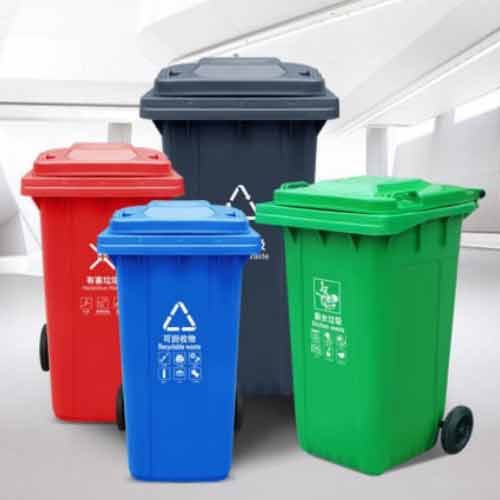
Recycling container identification and labeling represents one of the most important factors in program success, as clear communication with users directly affects contamination rates and diversion success. Color coding provides immediate visual identification, with standardized colors including blue for paper, green for glass, and yellow or orange for plastics in many jurisdictions. Graphic labels depicting acceptable materials reduce confusion and improve sorting accuracy. Multilingual labels serve diverse user populations in many facilities.
Container placement and configuration for trash and recycling systems influence both user convenience and collection efficiency. Containers must be conveniently located for users while avoiding interference with pedestrian flow and other building functions. Collection access must accommodate service equipment and workers without creating safety hazards or access problems. Weather protection for outdoor containers prevents water accumulation and maintains more sanitary conditions.
Indoor waste and recycling systems for offices, restrooms, and public areas typically use smaller containers that match the scale of these spaces. Deskside recycling containers encourage individual participation in office recycling programs. Central collection points in break rooms and copy areas aggregate materials from multiple users for efficient collection. Public area containers in lobbies, corridors, and restrooms provide convenient disposal options while maintaining attractive appearance.
Outdoor waste and recycling systems for commercial facilities, schools, and public spaces must address weather exposure, pest prevention, and heavy-use durability. Dumpster enclosures screen large collection containers from view while providing weather protection and pest resistance. Lidded containers prevent rain from entering collection containers and discourage wildlife access. Heavy-duty construction withstands the abuse from collection equipment and accidental impacts.
Collection service coordination for trash and recycling systems ensures efficient removal of accumulated materials while minimizing disruption to facility operations. Collection schedules must match container capacities and generation rates to prevent overflow situations. Route optimization reduces fuel consumption and labor costs while ensuring timely collection. Communication between facility managers and collection providers enables rapid response to unexpected increases in waste generation or collection problems.
Program monitoring and optimization for trash and recycling systems enable continuous improvement in diversion rates and operational efficiency. Regular waste audits identify contamination issues and opportunities for improved sorting. User feedback provides insight into convenience issues and communication gaps. Performance tracking against diversion goals identifies progress and areas needing additional attention. These ongoing improvement efforts ensure that waste and recycling programs deliver maximum benefit over time.
Previous article:Clean and Convenient: Choosing the Right Outside Trash Can
Next article:Promoting Cleanliness with Practical waste bins
Hot products
Mobile: +86 15097722953
Email:metalproducts2021@163.com
Email:1755383270@qq.com