The Integration of Trash Box in Fence Systems
Release time:2026-02-13 Click:9
A trash box, a container for waste disposal, is often integrated into fence systems to promote cleanliness and organization in outdoor spaces. Mounted on or near fences, these bins (made from plastic, metal, or recycled materials) provide designated spots for litter, reducing pollution and enhancing curb appeal. From parks to residential yards, their strategic placement turns fences from mere boundaries into multifunctional assets.
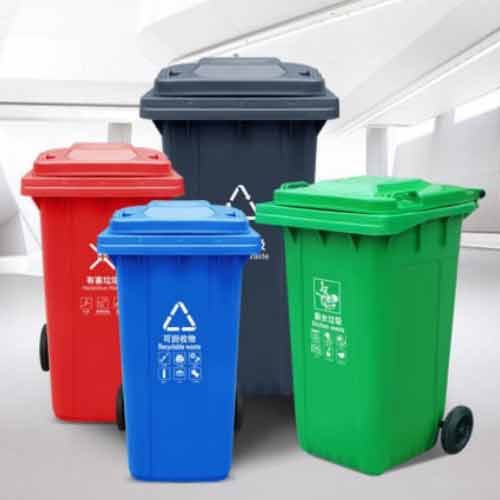
The design of trash boxes for fence integration prioritizes convenience and durability. Wall-mounted boxes attach to fence posts or panels, saving ground space. Freestanding models are placed at fence corners, with lids to deter pests and odors. Materials like HDPE plastic resist cracking in sunlight, while powder-coated steel withstands vandalism. Features like hinged lids, liners, and recycling compartments (for sorting paper, plastic) enhance usability.
Applications of trash boxes in fence systems are widespread. Parks mount them along walking paths, paired with fences to define recreational zones. Residential properties install them near backyard fences to collect lawn clippings or party waste. Commercial sites (restaurants, gas stations) place them at fence perimeters to manage customer litter. Even construction sites use temporary fence-mounted boxes to contain debris.
Advantages of integrating trash boxes with fences include improved hygiene and aesthetics. They prevent litter from scattering, keeping grounds tidy. By placing bins at fence edges, foot traffic is directed away from sensitive areas (flower beds, playgrounds). Recycling compartments encourage eco-friendly habits, and locked lids reduce scavenging. For communities, well-maintained trash boxes signal pride in public spaces.
Maintenance of fence-integrated trash boxes involves regular emptying and cleaning. Liners are replaced to prevent leaks, and lids are checked for hinges or latches. Damaged boxes (cracks, rust) are repaired or replaced. For plastic boxes, UV protectant sprays extend lifespan. Signage (e.g., “Please Use Bins”) reminds users of their purpose.
In conclusion, a trash box is more than a waste container—it is a partner to fences in maintaining clean, inviting spaces. By integrating waste management into boundary design, communities and homeowners create environments that are both functional and pleasant.
Previous article:A Trash Can That Transforms Home Hygiene
Next article:Advantages of Using a Push Lid Trash Can
Hot products
Mobile: +86 15097722953
Email:metalproducts2021@163.com
Email:1755383270@qq.com